
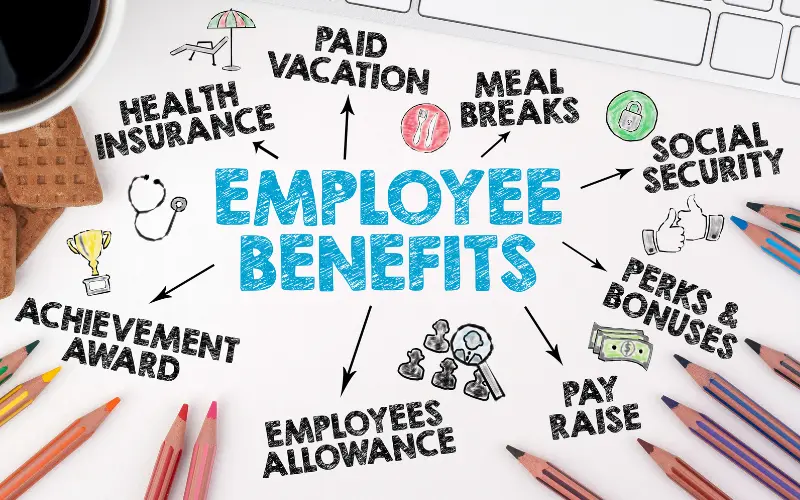
Employee benefits continue to play a critical role in attracting and retaining talent, and 2026 is shaping up to be a pivotal year. As healthcare costs rise and employee expectations evolve, employers are being pushed to rethink how their benefits’ strategy supports both their workforce and their bottom line.
Understanding employee benefits trends for 2026 can help business owners and HR leaders stay competitive, manage costs, and offer benefits that truly meet employee needs. From mental health support to smarter plan design, these trends reflect a growing focus on flexibility, value, and long-term sustainability.
Below, we break down the key benefits trends shaping 2026 and what employers should consider as they plan ahead.
Rising Healthcare Costs Continue to Shape Benefits Decisions
Healthcare costs remain one of the biggest challenges employers face. Premium increases, higher out-of-pocket costs, and ongoing medical inflation are forcing organizations to look closely at how their health plans are structured.
In response, many employers are exploring new ways to balance cost sharing while still offering competitive coverage. This includes adjusting plan design, reviewing contribution strategies, and evaluating options that provide cost transparency for employees. As benefits costs continue to grow, employers who take a proactive approach to managing health care expenses will be better positioned in 2026.
That’s also why more small and mid-sized businesses are switching to a PEO structure—not just for HR support, but for access to stronger benefits options. In a PEO model, businesses can gain access to benefits solutions that are often comparable to what larger organizations offer, helping smaller employers compete for talent more effectively.
For many teams, this can mean getting the “big company” experience—including Fortune 500-level benefit access and support—without needing a massive internal HR department. It’s a strategic way to stay competitive, improve employee satisfaction, and create a benefits package that feels more robust than what many small-group plans can offer on their own.
If you’re planning ahead for 2026 and want to explore options that strengthen your benefits’ strategy, HRDelivered can help you evaluate the right structure and plan approach for your business.
Benefits Flexibility Is Key to Attracting and Retaining Talent
Workforces are more diverse than ever, and a one-size-fits-all benefits approach no longer works. Employees want flexibility to choose benefits that align with their personal and professional needs.
Flexible benefit plans, voluntary benefits, and options that support different life stages—such as dependent care flexible spending accounts (FSAs) or health savings accounts (HSAs)—are becoming increasingly popular. These options allow employees to customize their benefits while helping employers control overall costs.
Employers that offer flexible work arrangements alongside flexible benefits are often better positioned to attract and retain top talent in 2026.
Cost Transparency and Smarter Plan Design Are in Focus
As pocket costs rise, employees want a clearer understanding of what their benefits actually cover. Transparency around deductibles, copays, and out-of-pocket maximums is becoming a major factor in employee satisfaction.
Smarter plan design—such as pairing high-deductible health plans with HSAs or offering education around how to use benefits effectively—helps employees make informed decisions. Employers who invest in communication and education around their benefits’ strategy can reduce confusion and increase perceived value without significantly increasing costs.
Employee Benefits as a Retention Strategy
Employee benefits are no longer viewed solely as a compliance requirement or an expense. In 2026, they are a strategic tool for retention and long-term workforce stability.
Competitive benefits packages can reduce turnover, improve morale, and strengthen employee loyalty—especially when paired with wellness initiatives and professional development opportunities. Employers who align their benefits’ strategy with employee expectations are more likely to see positive outcomes in engagement and retention.
Benefits “Hygiene” + Claims Management Are Becoming a 2026 Priority
In 2026, more employers are realizing that controlling benefits costs isn’t just about choosing a plan—it’s about managing it well year-round. Strong claims management, smarter renewal planning, and ongoing employee education can help reduce avoidable high-cost claims and improve long-term plan stability.
That means helping employees understand how to use their coverage effectively—like choosing the right level of care, using in-network providers, and taking advantage of preventive services. When employees feel more confident using their benefits, employers often see fewer surprises at renewal and better plan longevity over time.
Wellness and Preventive Care Gain Momentum
Wellness programs continue to grow in importance as employers focus on preventive care and long-term cost management. Benefits that encourage healthy behaviors—such as wellness plans, preventive screenings, and access to support services—can help reduce claims over time.
By investing in wellness initiatives, employers can support employees’ mental and physical health while creating a culture that values well-being. This trend is expected to continue well beyond 2026 as organizations look for sustainable ways to manage healthcare costs.
What Employers Should Do Now
With these trends shaping 2026, now is the time for employers to review and refine their benefits’ strategy. Consider taking the following steps:
- Review current benefit plans to identify cost drivers and coverage gaps
- Assess employee feedback to understand what benefits matter most
- Explore flexible options that support different employee needs
- Communicate benefits clearly to increase awareness and engagement
Staying ahead of employee benefits trends allows employers to remain competitive while managing costs effectively.
Looking Ahead to 2026
Employee benefits trends for 2026 reflect a shift toward flexibility, mental health support, and smarter cost management. Employers who adapt to these changes will be better equipped to attract and retain talent while supporting long-term business goals.
If you have questions about your current benefits strategy or want help planning for 2026, HRDelivered is here to support you. Our team can help you evaluate options, manage rising healthcare costs, and design benefits packages that work for both your employees and your business.
Not sure how 2026 trends compare to last year? Read our 2025 benefits trends blog to see what employers focused on most.
The Insights Delivered podcast is now available to stream.
Hear HR experts from HRDelivered break down real workplace topics, compliance updates, and the HR questions employers are facing right now.