
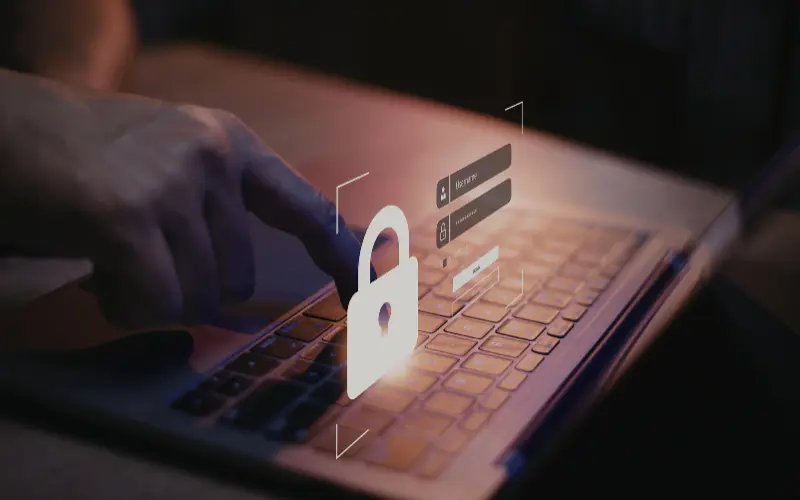
AI security risks in HR are quickly becoming part of everyday HR operations. From recruiting tools that scan resumes to chatbots answering employee questions, AI-powered systems are helping HR departments work faster and more efficiently. But as HR becomes more automated, there’s one critical area that deserves extra attention: employee data security.
HR teams already manage some of the most sensitive information in any organization, including Social Security numbers, payroll records, benefits elections, performance reviews, and employee files. When AI tools are added into the mix—especially tools that store, analyze, or generate content using employee information—the potential security risks grow.
The goal isn’t to avoid AI. The goal is to use it responsibly. With the right safeguards, AI can support HR operations without putting employee trust or business compliance at risk.
Why AI Creates New Security Risks for HR
Traditional HR systems usually store information in structured formats, with predictable workflows and clear access permissions. AI tools can change that. Many AI solutions work by collecting data, processing it, and producing outputs such as summaries, recommendations, automated responses, or predictive insights. That means HR data can be shared across systems in ways that aren’t always obvious to the user.
For example, an HR professional might upload a document into an AI tool to “summarize a performance review,” not realizing they just exposed sensitive employee data to a third-party platform. Or a chatbot might accidentally reveal private details because it wasn’t properly configured. Even well-intentioned use can create vulnerabilities.
That’s why HR leaders and business owners should view AI security as an extension of overall data protection, not just a technology decision.
What HR Data Needs the Most Protection
To understand the importance of HR data security, it helps to recognize what information is truly at risk. HR departments routinely handle sensitive information that could cause real harm if exposed. This includes Social Security numbers, home addresses, banking details, benefit elections, dependent information, medical documentation, leave paperwork, and disciplinary or termination records.
AI systems may touch this data directly or indirectly. If AI is involved in recruiting, onboarding, performance management, or employee engagement, it can easily interact with employee information. That makes strong security measures essential—especially when HR is adopting new tools quickly.
Common AI Security Risks in HR
One of the biggest AI-related risks in HR is human error. HR teams are busy, and AI tools are designed to be convenient. When something is easy to use, it becomes easy to misuse. Employees may paste sensitive employee data into AI chat tools without thinking, upload files into platforms that aren’t approved, or store generated summaries in unsecured locations.
Another major risk is unauthorized access. Some AI platforms allow multiple users, shared workspaces, or integrations with email and HR systems. If access controls aren’t strict, employees who shouldn’t have visibility into sensitive information might gain access. This is where role based access controls become critical, especially for teams managing payroll, benefits, or employee relations.
There is also the risk of data breaches through third-party vendors. Many AI tools rely on cloud-based processing and storage. If the vendor’s security is weak, or if their system is compromised, employee information could be exposed. Even if your internal HR systems are secure, your security is only as strong as the tools you connect to them.
Finally, there’s a growing concern around how AI tools store and use data. Some platforms retain data for training purposes or store it longer than necessary. HR leaders should understand exactly how employee information is handled, where it’s stored, and whether it can be deleted upon request.
How to Strengthen HR Data Security While Using AI
AI can still be used safely in HR. The key is building guardrails before adoption becomes widespread.
One of the most effective steps is enabling multi-factor authentication (MFA) across HR systems and any AI tools connected to employee information. MFA dramatically reduces the risk of unauthorized access, even if login credentials are compromised. Since HR data includes highly sensitive information, MFA should be treated as a baseline requirement, not an optional feature.
Another important step is applying role-based access controls. HR departments should limit who can access employee records, payroll data, and sensitive documents. AI tools should follow the same rules. If an AI platform is integrated into HR systems, access permissions should be aligned with job roles so that only authorized users can view or input certain information.
Businesses should also conduct regular reviews and security audits. This doesn’t have to be overly technical. A practical audit includes confirming who has access, removing former employee accounts, reviewing permissions, checking integrations, and confirming that data security measures are being followed consistently. Even a quarterly review can prevent long-term exposure.
It’s also important to build an internal policy around AI use. HR teams should know what tools are approved, what data can be entered into AI systems, and what types of employee information should never be uploaded. This reduces confusion and ensures employees understand how to protect sensitive data.
Training HR Teams to Reduce Human Error
Technology alone won’t solve HR data security challenges. Training is what turns policies into real protection.
HR professionals should be trained on how AI tools work, what risks exist, and how to avoid exposing employee information. This includes understanding phishing attempts, recognizing risky platforms, and avoiding the habit of copying employee records into external systems. Since human error is one of the leading causes of security incidents, training is one of the most cost-effective protections available.
Managers also need guidance. Many supervisors now use AI tools for communication help, coaching conversations, or documentation drafts. Without clear direction, they may unintentionally enter sensitive employee data into platforms that were never intended for HR use.
When everyone understands the “why” behind the policy, compliance becomes easier.
AI in HR Doesn’t Replace Security—It Requires Better Security
AI can absolutely improve HR efficiency. It can streamline administrative tasks, reduce time spent on repetitive work, and support faster decision-making. But AI also introduces new risks that HR teams didn’t face a few years ago.
The best approach is balanced. AI should support HR—not create new exposure. With robust security measures, strong data protection policies, and consistent employee training, HR departments can use AI while still protecting sensitive employee data.
If you’re looking for a trusted HR partner to help you stay compliant, protect your business, and support your team, HRDelivered is here to help. From HR guidance and compliance support to payroll, benefits, and employee resources, we make HR easier—so you can stay focused on running your business.
Ready to partner with HRDelivered? Contact us today to learn how we can support your HR needs year-round.
The Insights Delivered podcast is now available to stream.
Hear HR experts from HRDelivered break down real workplace topics, compliance updates, and the HR questions employers are facing right now.